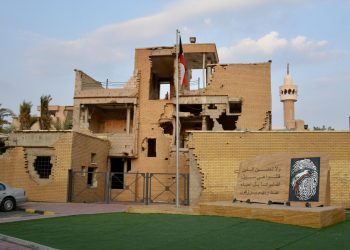
The Kuwait National Museum is one of the most important museums in Kuwait and one of the best historical landmarks the country is famous for. It attracts many visitors throughout the year due to its collection of beautiful artifacts, some of which were found during a Danish mission on Failaka Island. The museum, located on the Arabian Gulf Street, was opened decades ago and is considered one of the cultural institutions that contribute to conveying the history of Kuwait in an engaging and impressive manner. This is why it remains a popular destination for thousands of tourists year-round. The museum regularly updates its events to cater to the interests of local residents and expatriates alike.
We have compiled a list of the best apartments for rent in Kuwait and the most beautiful houses for rent in Kuwait, which have earned the trust of their clients on the Sakan platform, thanks to the wonderful services and entertainment facilities they offer in the most famous areas of Kuwait, where you can choose from various unique units.
When Was the Kuwait National Museum Established?
When mentioning tourist attractions in Kuwait, the Kuwait National Museum is always mentioned. Here are the key details about it:
The museum was established by Sheikh Abdullah Al-Jaber Al-Sabah at the end of December 1957.
Initially, it was located in his private palace in the Sharq area.
It contains a number of popular artifacts and was initially called Sheikh Khaz’al’s Diwan.
Many archaeological items from the Greek and Bronze ages were discovered on Failaka Island with the help of a Danish mission and were later placed in the museum.
In 1976, all the museum’s archaeological discoveries were moved from the palace to the Badr House.
In 1983, they were moved again to the current location of the museum.
Where is the National Museum of Kuwait Located?
The Kuwait National Museum is centrally located in the city of Kuwait, on the Arabian Gulf Street, and it serves as a connection between the Seif Palace and the Kuwaiti National Assembly. The museum’s interior design was executed by the French architect, Éco Hard, who is known for his exceptional skills, and his designs and illustrations have won global awards.
If you are interested in real estate investment in Kuwait, you can learn about the average rental prices for apartments in Salmiya and also apartments for rent in Hawalli, with a price comparison and updates on the real estate market in Kuwait.
How Many Buildings Are in the Kuwait National Museum?
The Kuwait National Museum is one of the best museums in Kuwait and one of its most famous cultural landmarks. It contains three buildings, divided as follows:
-
First Building:
This part includes a theater, some administrative offices, a lecture hall, a library, and an exhibition dedicated to ancient artifacts. It also houses works by contemporary artists. -
Second Building:
This section is dedicated to the maintenance of artifacts and works of art and includes storage facilities for them. -
Third Building:
This section has two floors, one of which houses a planetarium that includes some equipment, maps, and modern books. There is also the possibility of broadcasting astronomical programs in this planetarium.
Kuwait’s areas vary in terms of services and accommodation levels, and here are some of the best apartments for rent in Jabriya and also apartments for rent in Sabah Al-Salem.
What Does the Kuwait National Museum Contain?
The Kuwait National Museum includes a collection of seven different sections, each with a specific purpose. It also houses wooden doors, partitions, and other stones from ancient times. Below is a detailed list of its contents:
-
Boom Al-Mahallab:
The museum includes a sailing ship used for trade between India and Kuwait, dating back to 1937. The ship has a capacity of 225 tons and was moved to the Ministry of Information in 1971 to be part of the museum’s artifacts. -
Planetarium:
This is one of the museum’s technological pieces, containing some astronomical equipment and maps, and a hall that displays astronomical news, showing the various orbits and the earth’s movement, along with other related information.
What is the Role of the Al-Sabah Collection in the Islamic Arts House?
This collection focuses on displaying unique artworks, including:
-
An astrolabe from Iraq dating back to 315 AH and 928 AD.
-
A Persian bronze candelabra from 1200 AD.
-
A 234-carat emerald made in India.
-
A vase from Damascus with an exquisite design that captivates anyone who sees it.
When Was the Popular Heritage Exhibition Established?
This exhibition was established in the Kuwait National Museum in 2003, showcasing the details of the ancestors’ and forefathers’ civilization. It includes various sections, such as:
-
The Kuwaiti House
-
The Village
-
Souq Al-Safaa
-
Life at Sea
-
Old Market
-
Shipbuilding
It also contains some other items, such as traditional Kuwaiti clothing and a handicraft market, along with a collection of musical instruments like the oud, marrawis, and tanboura.
Rental prices in Kuwait vary based on several factors, the most important being the area in which you wish to live. Prices for apartments for rent in Hawalli differ significantly from those in Mahboula.
What Is in the Ancient Artifacts Museum?
The museum contains archaeological collections dating back to various ancient periods, including the Bronze Age, Hellenistic era, Stone Age, and the Islamic period. The museum emphasizes the integration of Kuwaiti civilization with other civilizations, such as those of Sindh, Mesopotamia, and the trade routes, including Failaka Island.
What Are the Key Activities to Do at the Kuwait National Museum?
Several activities can be enjoyed when visiting the Kuwait National Museum, such as:
-
Touring the People’s Life Hall and viewing traditional handicrafts created over a century ago.
-
Visiting the pottery exhibition to see some of the best artifacts dating back to the 19th century.
-
Going fishing in some designated halls that highlight the importance of fishing for Kuwaitis.
-
Visiting the planetarium to enjoy various astronomical and galactic information.
-
Visiting the excavation halls related to Failaka Island, which date back before Christ and contain many ancient Greek artifacts.
-
Viewing traditional homeware and learning about the characteristics of old homes.
-
Ending the tour with a visit to Boom Al-Mahallab, which is one of the most impressive parts of the museum and leaves a lasting memory.
Major Events Held at the Kuwait National Museum :
The museum hosts several events and exhibitions throughout the year. If you’re interested in visiting, here are some of the events you can experience there:
-
Exhibition of Traditional Kuwaiti Clothing: This exhibition showcases old Kuwaiti fashions, attracting tourists interested in learning about Kuwaiti culture and heritage.
-
Cultural Festival: This festival includes many cultural events, especially artistic performances, and workshops on cinema, as Kuwait is increasingly focusing on the film industry.
-
Modern Art Exhibition: The exhibition features works by contemporary Kuwaiti artists, with a section dedicated to artists from the Gulf and Arab regions, including painting, sculpture, and digital arts.
-
Traditional Furniture Exhibition: This exhibition displays traditional Kuwaiti furniture, which is part of the broader Arab traditional furniture heritage. Many foreign tourists are impressed by the authentic Arabic style.
-
Arabic Calligraphy Exhibition: The exhibition displays various works of Arabic calligraphy, attracting intellectuals, poets, and writers from Kuwait and the Arab world.
-
Kuwaiti Food Festival: This festival offers a live display of traditional Kuwaiti and Gulf cuisine.
What Are the Museum’s Opening Hours?
The museum is open every day of the week from 8:30 AM to 12:30 PM and from 4:30 PM to 8:30 PM, except on Sundays when it is closed.
How Much Is the Entrance Ticket to the National Museum?
The entrance to the Kuwait National Museum is free for everyone, as part of the country’s encouragement of tourism.
Can I Reserve to Attend Events at the Kuwait National Museum?
Yes, any citizen of Kuwait can reserve to attend any event organized by the Kuwait National Museum by visiting the museum’s website or contacting the museum’s administration directly. You can also inquire about the event schedule.
Are There Guided Tours in the Kuwait National Museum?
Yes, the Kuwait National Museum organizes guided tours for visitors interested in learning about the history of Kuwait. These tours include participation in exhibitions and events, and are conducted by qualified tour guides who usually speak both Arabic and English.
What Are the Main Issues Facing Visitors to the Kuwait National Museum?
Despite being one of the most important cultural and entertainment destinations in the country, there are some challenges faced by visitors, including:
-
Crowding: The museum tends to get crowded, especially on weekends and during festive nights, which can affect the visitor’s experience.
-
High Temperatures: Many visitors find the museum very hot during summer due to Kuwait’s naturally high temperatures, so it is recommended to visit during more favorable seasons.
-
Difficulty Finding Exhibits of Interest: Some visitors have trouble finding exhibits that match their interests, as there are varying focuses on art, history, and culture.
-
Lack of Translation: Most of the tour guides speak only Arabic and English, so tourists who don’t speak these languages may face communication difficulties.
What is the Kuwaiti Government’s Plan to Develop the National Museum?
The Kuwaiti government is aware of the historical and contemporary significance of its most famous museum and is continuously working to develop it in various aspects. Some of the development plans include:
-
Addressing the challenges of tourism popularity, especially by adding more tour guides who speak languages other than Arabic and English.
-
Improving the museum’s ventilation system to address complaints about high temperatures.
-
Allocating the necessary budget for the restoration and maintenance of the museum’s historical contents.
-
Expanding the museum’s events and exhibitions to cater to a wider range of tastes, making it a key historical tourist destination in Kuwait.
In conclusion, museums and archaeological landmarks are among the most important symbols of a country’s civilization and contribute significantly to the preservation of heritage. We have mentioned earlier all the information about the Kuwait National Museum, which stands as a towering monument reflecting the rich history of a great country like Kuwait. The museum has been designed to reflect Kuwaiti heritage, featuring exhibits on art and history. Today, it is considered an ideal tourist destination. Any visitor who takes a tour there will never forget it and will carry with them an everlasting memory of the history of a proud nation. Additionally, you can also search for the best residential units in Kuwait, whether it be a chalet for sale in Kuwait or an apartment for rent in Fintas.
[sc_fs_faq html=”true” headline=”h3″ img=”” question=”How many halls are there in the National Museum?” img_alt=”” css_class=””]The National Museum in the Philippines consists of several halls spread across its different buildings, such as the Museum of Fine Arts, the Museum of Anthropology, and the Museum of Natural History. Each building contains several halls dedicated to various exhibits and topics.[/sc_fs_faq]
[sc_fs_faq html=”true” headline=”h3″ img=”” question=”How to make a reservation at the National Museum?” img_alt=”” css_class=””]To make a reservation at the National Museum in the Philippines, you can visit their official website or social media pages, where you will find an online booking form. Walk-ins are allowed, but it is recommended to book in advance, especially during peak seasons or holidays.[/sc_fs_faq]
[sc_fs_faq html=”true” headline=”h3″ img=”” question=”How to get to the National Museum?” img_alt=”” css_class=””]The National Museum is located in Manila, and can be accessed through various modes of transportation, such as jeepneys, taxis, buses, and the subway (LRT). The nearest metro station is the United Nations Avenue station, from which you can walk to the museum.[/sc_fs_faq]
[sc_fs_faq html=”true” headline=”h3″ img=”” question=”Do you need an ID at the National Museum of the Philippines?” img_alt=”” css_class=””]Showing an ID is not mandatory for general entry to the National Museum. However, it may be required for verification purposes when making a group reservation or attending special exhibits or events.[/sc_fs_faq]