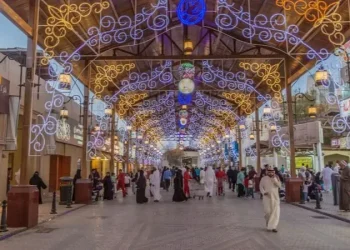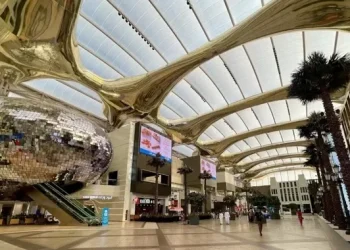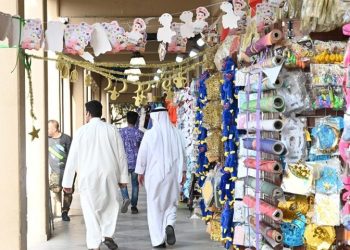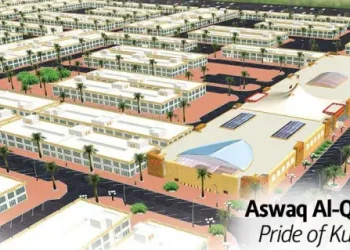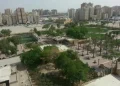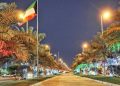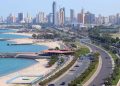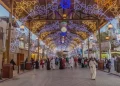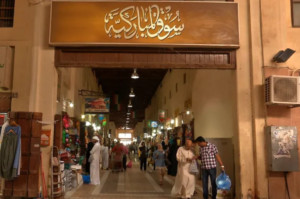
Souq Al-Mubarakiya is one of the most important and famous landmarks for tourism in Kuwait, as a visit to it represents a journey into the country’s ancient history. In addition, it is one of the pillars of shopping tourism, offering a wide variety of products and goods. This makes it fair to say that the souq is a tangible testament to Kuwait’s commercial status throughout history.
For centuries, Kuwait has served as a trade route connecting the Indian and Persian coasts with the Arab coasts, contributing to active import and export movements between these various ports. The souq, which started over 125 years ago with just a few stalls, grew and flourished into a vital commercial hub, attracting traders from all over the world.
Because the location of Sakan website is not limited to real estate brokerage, but also includes educational real estate websites like Souq Al-Mubarakiya, Bou Shamlán, and others, the following lines introduce you to the souq, its shops, and its positive impact on tourism and shopping, as well as the real estate market in Kuwait.
What is the location of Souq Al-Mubarakiya in Kuwait?
Souq Al-Mubarakiya is located on Souq Al-Gharbally Street in the heart of Kuwait City, which overlooks the Arabian Gulf. This area is one of the most important and largest neighborhoods in Kuwait, both residentially, commercially, and for tourism and real estate. It is a popular area, known for its high demand for apartments for rent in Kuwait and furnished and hotel-style houses, as it attracts thousands of visitors every year.
The strategic location of the old Souq Al-Mubarakiya is one of the reasons behind this attraction. In addition, it is surrounded by some of the most important government, service, and entertainment landmarks in Kuwait. The following places are just a few minutes away by car from Souq Al-Mubarakiya:
-
5 minutes from the Kuwait National Museum
-
7 minutes from Liberation Tower
-
8 minutes from Al-Sour Gardens
-
9 minutes from the Emir’s Diwan and Al-Sief Palace
-
9 minutes from the Kuwait Opera House
When was Souq Al-Mubarakiya established?
The name “Souq Al-Mubarakiya” comes from Sheikh Mubarak Al-Sabah, the founder of modern Kuwait. Over 125 years ago, in 1897, he established a small kiosk to manage the affairs of the country and address community issues. This kiosk eventually became Kuwait’s first court. Today, this kiosk has transformed into a historical museum located in the heart of Souq Al-Mubarakiya, showcasing a wide range of items belonging to Sheikh Mubarak Al-Sabah, as well as documents, weapons, and more. It serves as a historical witness to the country’s development.
With the enthusiasm of major Kuwaiti traders, Souq Al-Mubarakiya grew rapidly, transforming into a key stop in Arab trade. It became a place where both imported and local products were sold for export, including meats, fish, grains, dates, honey, herbs and spices, men’s, women’s, and children’s clothing, accessories, gold and silver crafts, souvenirs, ceramics, and traditional handicrafts. The souq also specialized in selling historical weapons, such as daggers and swords inlaid with ivory and gemstones.
Today, this growth has led to the development of Souq Al-Mubarakiya into an area surrounded by specialized markets, such as the Gold Souq, the Money Exchange Souq, the Weapon Souq, the Fish Souq, the Vegetable and Fruit Souq, the Dates Souq, the Spices and Herbs Souq, and the Misbah Souq, among others.
In other words, the once small Souq Al-Mubarakiya has expanded and evolved into one of the most famous popular markets in Kuwait and the Arab world. As a result, its impact is not only felt in the country’s tourism sector but has also extended into the real estate market. Thanks to the influx of tourists visiting the area, there has been a rise in demand for rental apartments in Hawalli and apartments for sale in Kuwait.
What can you find in Souq Al-Mubarakiya?
Souq Al-Mubarakiya offers a vast range of goods, both local and imported, as well as historical items. Aside from its extensive range of shopping, the market also features other facilities dedicated to different activities, not just shopping. The activities and experiences in Souq Al-Mubarakiya are diverse, and here’s a breakdown:
Souq Al-Mubarakiya is a large, sprawling market with numerous side streets, alleys, and lanes branching off the main market. These areas are lined with shops selling various products, with each area specializing in certain types of goods. A great feature of the souq is the organization of these products by category.
The first step when visiting is to explore the intricate streets of the souq, where you can find modern and traditional clothing for men, women, and children. Some shops even specialize in traditional handmade garments, such as embroidered and woven clothes crafted in local homes.
There are also shops selling historical handicrafts, including antiques, traditional weapons, accessories, jewelry, and ivory creations.
Souq Al-Mubarakiya is also home to various modern products, both local and imported, such as clothing, accessories, eyewear, watches, leather goods, bags, wallets, beauty products, home appliances, electronics, and home entertainment devices.
Make sure to visit the spice shops offering thousands of natural products like spices, herbs, incense, perfumes, and honey. You’ll also find natural cosmetic products and hair-care treatments.
The vegetable and fruit market, as well as the fish market, offer fresh produce every morning, ensuring visitors always have access to fresh goods.
In addition, you can experience the taste of local Kuwaiti cuisine at various restaurants and cafés, which serve popular dishes like Machboos (a spiced rice dish with meat), grilled fish, and Iranian bread.
What is sold in Souq Al-Mubarakiya?
Souq Al-Mubarakiya in Kuwait is one of the oldest and most famous traditional markets in the country. It is a perfect destination for shopping enthusiasts and those interested in Kuwaiti heritage. The market sells a wide range of goods, including:
-
Traditional Clothing: Such as the “dishdasha” (men’s robe), “abaya” (women’s cloak), and other local garments.
-
Perfumes and Incense: Known for its luxurious Arabic perfumes, including oud and musk.
-
Gold and Jewelry: Numerous gold shops offer both traditional and modern designs.
-
Food Products: Spices, dates, nuts, and natural honey.
-
Handicrafts: Traditional crafts and antiques.
-
Local Cuisine: Traditional Kuwaiti dishes like “Machboos,” grilled fish, and Iranian bread.
Souq Al-Mubarakiya is not only a commercial center but also a cultural experience, blending the rich past with a modern spirit, making it a popular destination for both locals and tourists.
When do the shops in Souq Al-Mubarakiya close?
Shops in Souq Al-Mubarakiya typically open every day of the week except Friday, from 9:00 AM to 10:30 PM.
With all this information, we can see how rich the historical and shopping experiences at Souq Al-Mubarakiya are, making it an ideal spot for both leisure and culture.
[sc_fs_faq html=”true” headline=”h3″ img=”” question=”How old is Souq Al-Mubarakiya?” img_alt=”” css_class=””] Souq Al-Mubarakiya is one of the oldest markets in Kuwait, with a history that dates back over 120 years. It was established in the late 19th century. The market was named after Sheikh Mubarak Al-Sabah, the ruler of Kuwait at the time. It was the main commercial center of the country before the discovery of oil, serving as a destination for traders to buy and sell goods such as spices, dates, clothing, and jewelry. The market still retains its heritage charm to this day, making it a prominent tourist landmark in Kuwait. [/sc_fs_faq]
[sc_fs_faq html=”true” headline=”h3″ img=”” question=”Why is Souq Al-Mubarakiya named this way?” img_alt=”” css_class=””] Souq Al-Mubarakiya is named after Sheikh Mubarak Al-Sabah, the seventh ruler of Kuwait (1896-1915). The name originates from the fact that the market was established during his reign, when it was a central trading hub visited by merchants from various countries to buy and sell goods. Today, the market is considered one of the oldest and most famous traditional markets in Kuwait, retaining its heritage character despite modern development, which makes it a prominent cultural and tourist destination. [/sc_fs_faq]