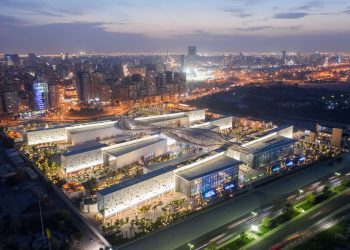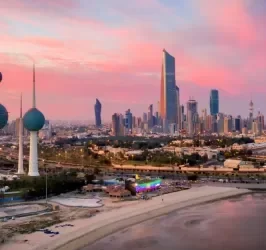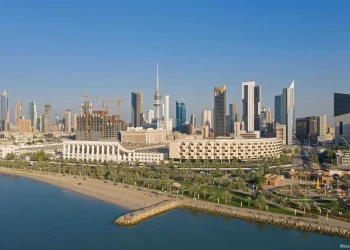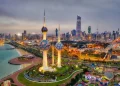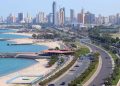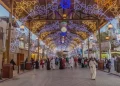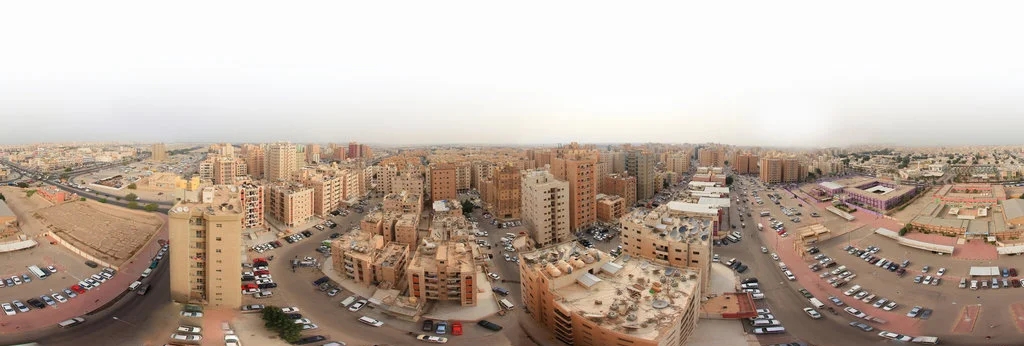
Jeleeb Al-Shuyoukh is one of the most densely populated and diverse neighborhoods in Kuwait. Known for its vibrant atmosphere and bustling streets, the area is home to a large expatriate community, primarily consisting of workers from South Asia, the Middle East, and other parts of the world. Situated near Kuwait International Airport and several key highways, Jeleeb Al-Shuyoukh is a crucial hub for trade, commerce, and affordable living.
Where is Jeleeb Al-Shuyoukh Located?
Jeleeb Al-Shuyoukh is strategically positioned in the Al Farwaniyah Governorate, one of Kuwait’s most dynamic areas. It is located southwest of Kuwait City, near important landmarks such as the Kuwait International Airport and major roads like the Sixth Ring Road. Its central location makes it a vital residential and commercial district, attracting a diverse population seeking proximity to workplaces and essential services.
What is the History of Jeleeb Al-Shuyoukh?
Who Lives in Jeleeb Al-Shuyoukh?
Jeleeb Al-Shuyoukh is home to a large expatriate workforce, particularly from India, Pakistan, Bangladesh, the Philippines, and Egypt. Due to its affordable housing options and convenient location, the area attracts low-to-middle-income workers, small business owners, and traders. It has a vibrant community atmosphere with people from different cultures coexisting in a lively and bustling environment.
What is Daily Life Like in Jeleeb Al-Shuyoukh?
Life in Jeleeb Al-Shuyoukh is fast-paced, with crowded markets, street vendors, and constant movement. The area is known for its affordable markets, where residents can find fresh produce, household goods, and textiles at competitive prices. The streets are always lively, filled with people shopping, commuting, or engaging in daily business activities. Despite congestion and infrastructure challenges, the district remains an essential part of Kuwait’s socio-economic fabric.
What Economic Activities Drive Jeleeb Al-Shuyoukh?
Jeleeb Al-Shuyoukh is a major commercial center in Kuwait, featuring numerous small businesses, restaurants, and wholesale markets. The area is particularly famous for:
- Textile and garment shops: Offering budget-friendly clothing and accessories.
- Grocery and fresh produce markets: Selling fruits, vegetables, meat, and fish at affordable prices.
- Restaurants and street food stalls: Serving Indian, Pakistani, Filipino, and Middle Eastern cuisine.
- Electronics and mobile stores: Catering to the needs of residents looking for affordable gadgets.
These economic activities support both local and expatriate entrepreneurs, making Jeleeb Al-Shuyoukh an essential commercial hub in Kuwait.
What are the Challenges Facing Jeleeb Al-Shuyoukh?
Despite its economic significance, Jeleeb Al-Shuyoukh faces several challenges, including:
- Overcrowding: High population density leads to congestion and strain on public services.
- Traffic congestion: The area’s narrow streets and high vehicle usage cause frequent traffic jams.
- Sanitation issues: The large population generates waste management challenges.
- Infrastructure development: The district lacks modern infrastructure, and roads often require maintenance.
The Kuwaiti government has initiated various plans to address these issues and improve living conditions in the area.
What are the Key Landmarks in Jeleeb Al-Shuyoukh?
Jeleeb Al-Shuyoukh has several important landmarks and institutions, including:
- Kuwait International Airport: Located nearby, making the area a convenient residence for airport workers and travelers.
- Al Hasawi Mosque: A prominent place of worship for the Muslim community.
- Educational institutions: Schools and training centers catering to the expatriate community.
- Commercial markets: Various shopping areas offering household goods, textiles, and groceries.
Is Jeleeb Al-Shuyoukh a Good Place to Live?
For many expatriates, Jeleeb Al-Shuyoukh provides an affordable and convenient place to live. While it may not offer the luxury of other residential areas in Kuwait, it provides access to essential services, employment opportunities, and a strong community network. The area remains a vital part of Kuwait’s workforce housing strategy, making it an attractive choice for budget-conscious residents.
What Are the Future Plans for Jeleeb Al-Shuyoukh?
The Kuwaiti government has recognized the need to upgrade Jeleeb Al-Shuyoukh’s infrastructure and living conditions. Plans for future development include:
- Improving roads and transportation networks.
- Enhancing sanitation and waste management systems.
- Introducing better housing projects to reduce overcrowding.
- Developing public parks and recreational spaces.
These initiatives aim to transform Jeleeb Al-Shuyoukh into a more organized and livable urban district.
How is Jeleeb Al-Shuyoukh Structured?
The area is divided into several blocks, each with its unique features:
- Jleeb Al Shuyoukh Block 1 – A primarily residential zone with a mix of apartment complexes and local shops.
- Jleeb Al Shuyoukh Block 2 – Known for its busy markets and proximity to key commercial areas.
- Jleeb Al Shuyoukh Block 4 location – A growing neighborhood with expanding infrastructure and amenities.
Jeleeb Al-Shuyoukh is a dynamic and essential part of Kuwait’s urban landscape. Its affordability, economic opportunities, and cultural diversity make it an important district for many expatriates. Despite its challenges, ongoing development projects seek to enhance the quality of life for its residents. Whether for business, affordable living, or cultural experiences, Jeleeb Al-Shuyoukh remains one of Kuwait’s most vibrant neighborhoods.
[sc_fs_faq html=”true” headline=”h3″ img=”” question=”What is jleeb al-shuyoukh postal code?” img_alt=”” css_class=””] he postal code for Jleeb Al-Shuyoukh, Kuwait, is 85600.However, some sources indicate a postal code of 85601 for the area. [/sc_fs_faq]
[sc_fs_faq html=”true” headline=”h3″ img=”” question=”Who lives in Jleeb Al-Shuyoukh?” img_alt=”” css_class=””]Jleeb Al-Shuyoukh in Kuwait is one of the most densely populated areas, with approximately 274,025 residents, according to the Public Authority for Civil Information report as of June 30, 2023. The area is characterized by a significant expatriate population, with non-Kuwaitis making up the majority of residents, while Kuwaitis constitute only about 1.5% of the total population.[/sc_fs_faq]
[sc_fs_faq html=”true” headline=”h3″ img=”” question=”Why is Jleeb Al-Shuyoukh named so?” img_alt=”” css_class=””]Jleeb Al-Shuyoukh was named after a well (Jleeb in Kuwaiti dialect) that was dug by Sheikh Mohammad bin Sabah Al-Sabah and Sheikh Jarrah bin Sabah Al-Sabah, the brothers of Sheikh Mubarak Al-Sabah.[/sc_fs_faq]
[sc_fs_faq html=”true” headline=”h3″ img=”” question=”Who dug Jleeb Al-Shuyoukh?” img_alt=”” css_class=””]The name Jleeb Al-Shuyoukh is attributed to the wells dug by Sheikh Mohammad bin Sabah Al-Sabah and Sheikh Jarrah bin Sabah Al-Sabah, the brothers of Sheikh Mubarak bin Sabah Al-Sabah, in the late 19th century when the area was a desert lacking water sources. However, other sources suggest that Sheikh Jaber I bin Abdullah Al-Sabah, the third ruler of Kuwait, was the one who ordered the excavation of these wells.[/sc_fs_faq]